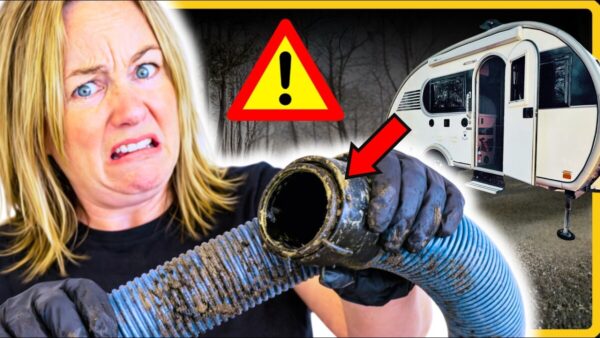
After eight years of camping in my Little Guy Max, I thought I had RV life pretty much figured out. Then I came across a list of RV tips I had never seen before — and a few of them stopped me cold. Some were tips I’d heard but not often enough. Others made me say out loud, “Wait… why haven’t I heard of this before?” So I put together this whole list to share with you, because some of these RV tips are going to save you money, prevent some really unpleasant problems, and maybe even save you from an embarrassing campground moment.
Whether you’re a weekend warrior, a solo camper, or someone just getting started with RV life — there’s something on this list for everyone. Let’s get into it.
Small Camper Space RV Tips + Hacks
If you camp in a small camper, you already know — space is everything. These small camper storage tips and space-saving hacks will help you make the most of every single inch.
1. Switch to Microfiber Towels
Regular cotton bath towels are total space hogs in a small RV. Microfiber towels pack down small, weigh almost nothing, and dry crazy fast. I made the switch years ago and never went back. This is one of the easiest small camper upgrades you can make.
The Sea to Summit Tek Towel is one of my favorite space-saving swaps for camper life. These microfiber towels are super lightweight, dry incredibly fast, and take up way less room than bulky cotton towels—perfect when every inch of storage counts. Plus, they’re soft and absorbent, so you’re not sacrificing comfort for convenience.

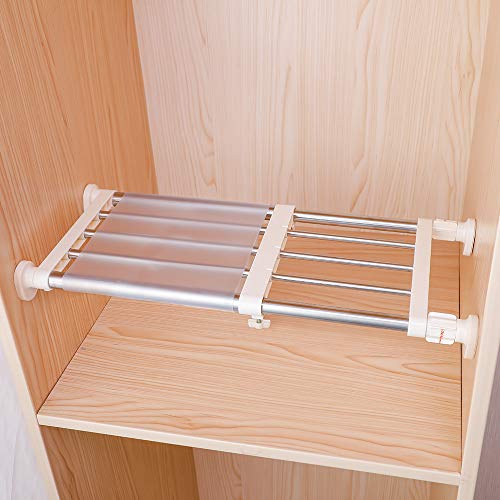
2. Use Expandable Cabinet Shelves
Expandable shelves create a second layer inside your cabinets and basically double your storage overnight. I added one above my sink a few years back and it turned completely wasted space into usable storage. Best part — about twenty dollars. One of the best RV storage hacks I’ve found. I link the ones I use on my shop page at randisadventures.com/shop.
3. Slide Socks Over Glassware
This one made me laugh — but it works. Before you travel, slide clean socks over your glasses or wine bottles to keep them from banging together and breaking on the road. If you bring glassware in your camper, your sock drawer just became your packing supply closet.
4. Use Museum Putty for Countertop Items
Museum putty is designed to keep things in place during earthquakes — and RVers use it to stop coffee makers, small decorations, and countertop items from sliding around while driving. If you like keeping things out on your counter, this is a clever little trick worth trying.
Quakehold! Museum Putty is a simple but genius solution for RV life. Originally designed to keep valuables in place during earthquakes, it works incredibly well to secure things like coffee pots, decor, and small items while you’re on the road. No more shifting, sliding, or surprise messes—just a little putty and everything stays right where you left it.

5. Add Pull-Out Shelves to Deep Cabinets
This is the RV storage upgrade I’m stealing for my own camper. Pull-out shelves for deep kitchen cabinets mean you’ll never have to unload everything just to grab what’s hiding in the back. I’ve seen them at my meetups and they work great. I’m currently researching which ones to try — stay tuned for that video.
6. Store Breakables in Lower Cabinets
Here’s one I’d never heard before — store your breakables and heavier items in lower cabinets, not upper ones. When you’re towing, things bounce around and cabinet doors can pop open. If heavy items are up high, gravity is not your friend. Stored low? Gravity works in your favor. Simple logic, big difference.
RV Driving and Setup Tips
These RV driving tips and campsite setup tips can save your nerves, your wallet, and maybe your bumper.
7. Freeze Water Bottles Before You Leave
Toss a few frozen water bottles in your fridge before travel day. Since we can’t run propane while towing, the fridge doesn’t start cooling until you arrive. Frozen bottles help it get cold hours earlier — and when you pull into your campsite, you’ve got ice-cold water waiting. So simple. So genius.
8. GOAL — Get Out and Look
The best RV backing-up tip I’ve ever heard: GOAL — Get Out And Look. Before I learned this, I nearly introduced my camper to a tree. Every time you back up, get out and physically check your surroundings. It feels slower, but it works every single time. And yes — it will feel like the whole campground is watching. They probably are.
9. Do a Double Walk-Around
Everyone knows to do a walk-around before pulling out of a campsite — check the windows, the steps, the hookups. But this tip takes it further: pull forward a few feet, then do a second walk-around. Things hide underneath your camper that you miss the first time. I’m adding this to my teardown checklist immediately.
10. Use a Campsite Setup Checklist
This sounds obvious — but when I started solo camping, using a checklist changed everything. Setup, teardown, step by step, no second-guessing. The mental noise disappeared. I still use mine today, not because I can’t remember, but because I don’t want to wonder. Twenty minutes later I’m set up and relaxed. That’s the goal.
11. Know the 3-3-3 Rule (and the 4-4-4 Rule)
The 3-3-3 rule: don’t drive more than 300 miles, arrive by 3pm, stay at least 3 nights. There’s also a 4-4-4 version. I’ll be honest — I’ve never followed it. When I have limited time, I want to get where I’m going. But for longer road trips, this rule starts making a lot of sense.
12. Download Maps Offline Before Every Trip
Before you leave, download Google Maps or Apple Maps offline for your route. The second you turn down a remote road with no cell signal, you are completely on your own. I’ve been there — sitting in my truck with no idea which way to go. Download the maps. It takes two minutes. That peace of mind alone is worth it.
RV Mistakes That Can Cost You Money
These are the RV tips that will help you avoid mistakes that catch many RV owners off guard — and some of them lead to very expensive repairs. Pay attention to this section.
13. Always Use a Water Pressure Regulator
Campground water pressure is unpredictable and can be way higher than your RV’s plumbing is designed to handle. Without a water pressure regulator, a pressure spike can blow a fitting, burst a pipe, or blow out a seal. A regulator is small, cheap, and sits there quietly protecting your entire plumbing system. Easy win.
I use this to protect my RV’s plumbing from high-pressure campground water. It’s lead-free brass, easy to adjust, and the built-in gauge lets me see exactly what pressure I’m getting. Plus, the inlet screen filter adds extra protection—peace of mind in one little tool!

14. Disconnect Your Batteries in Storage
Even when everything is turned off, there’s still a tiny power draw slowly draining your battery. Over time it drains completely — and you’ll find out the hard way when you walk out excited for a trip and nothing works. Most campers have a battery disconnect switch. One flip. Done. This simple habit saves your battery.
15. Never Leave the Black Tank Valve Open
Leaving the black tank valve open while hooked up to sewer seems convenient — but the liquids drain out and the solids stay behind and build up. RVers call this the dreaded poop pyramid. Yes, it’s exactly what it sounds like. Keep that valve closed until you’re ready to dump. Your future self will thank you.
16. Add Water Back Into the Black Tank After Dumping
After dumping, add a little water back into the black tank — just one gallon for a small tank like my 9-gallon. That starter layer keeps solids from drying out before your next trip, and as you drive down the road, it sloshes around and helps loosen buildup. Nature’s rinse cycle. Just don’t go overboard — one gallon weighs 8 pounds.
17. Check Your RV Tire Date Codes Every Year
This might be the most important tip in the whole video. RV tires age out before they wear out. The tread can look fine while the inside is developing dry rot — which leads to blowouts that can cause thousands of dollars in damage. The date code is on the tire sidewall as part of the DOT number. The last four digits tell you the week and year the tire was made. Replace RV tires around five to six years old, even if they look great. Don’t just check the tread. Check the date.
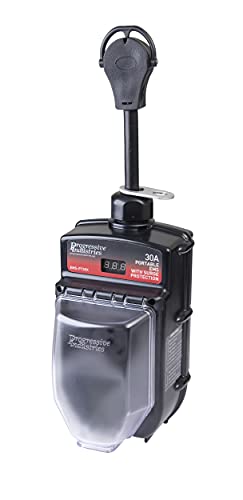
18. Always Use an RV Surge Protector
Campground wiring can be old, worn out, or wired incorrectly. A surge protector checks the power before it ever reaches your RV and stops anything sketchy from getting through. A power surge can take out your converter, furnace, or refrigerator — and those repairs add up fast. Don’t buy the cheapest option here. You really do get what you pay for. I’ve linked the one I’ve used for years on my shop page.
This is my go-to portable surge protector. I love it because it gives me peace of mind with advanced fault detection, real-time power monitoring on the built-in display, and rugged weather protection. Just plug it in and instantly know your RV is safe!
19. Turn the Breaker Off Before Plugging In
I didn’t know this one either. Before you plug into the campground pedestal, always turn the breaker off first. Plugging into live power can damage your plug, burn out the outlet, and mess with your RV’s electronics — all from one bad connection. Breaker off, plug in, breaker on. Takes three extra seconds. Saves you from expensive electrical problems.
20. Run the Spigot Before Connecting Your Hose
Before connecting your hose to the campground spigot, turn the water on for a few seconds first. Campground spigots are apparently prime real estate for bugs — insects, spiders, little critters just hanging out in there. I would very much prefer not to flush a spider into my fresh water tank. Let it run a few seconds, clear it out, then hook up your hose. You’re welcome.
Final Thoughts
Eight years of RV camping and I’m still learning. That’s one of the things I love most about this community — there’s always something new to discover. Whether it’s a $20 shelf that doubles your storage or checking a four-digit number on your tire sidewall, the small habits make a big difference out there.
And if you’re just getting started with your RV journey, make sure you check out my video on the 7 things I wish I knew before buying my Little Guy Max.