You bought the camper. You thought the hard part was over. Think again.
When my husband Tom and I bought our first camper, we breathed a huge sigh of relief. The big purchase was done. The expensive part was behind us. Or so we thought.
Two months later, we traded it in because it was too small. Lesson one — learned the hard way.
Then came Max, our current little guy. Surely now we were done spending money, right?
Spoiler: The Amazon boxes never stopped showing up.
These are the hidden costs of RV life that nobody puts in the brochure — the ones that quietly add up over time while you’re too busy dreaming about campfire sunsets to notice them coming.
The “Must-Have” Gear Rabbit Hole
Before our first trip, I did what every excited first-time buyer does: I watched every YouTube video. I read every RV gear list I could find. I was not going to show up unprepared.
So I bought almost everything on those lists. Every time a package arrived, I told myself, “Well, they said I needed this.”
Here’s what I eventually realized:
Most of those lists weren’t made for me. People with large RVs need more gear — and crucially, they have the storage space for it. For a small camper like ours, half that stuff was useless. And a lot of the “must-haves” were really just nice-to-haves dressed up in urgency.
A true must-have is something your camper doesn’t come with but actually needs to function at a campsite. Everything else? It can wait.
I ended up throwing away a lot of what I bought. Don’t make the same mistake. I’ve put together a list of just 12 real RV must-have essentials — the list I wish I’d had before trip one. Check it out here.
The Ongoing Repair Surprises
Once you actually start camping, things happen.
A strong wind flung our door open and shattered the window. The laminate on our kitchen countertop started peeling and needed replacing. Our power inlet fried — and honestly, I still don’t know how. None of these were disasters, but every single one cost money.
The reality of RV ownership is that small repairs are just part of the deal. Budget for them, because they will come for you eventually.
Fuel Costs Creep Up Fast
This one snuck up on us. When you’re towing an RV, your gas mileage drops roughly 15 to 25%. On short local trips, that’s barely noticeable. But as we started taking longer routes and venturing further from home, fuel quietly became one of our biggest expenses.
It’s one of those costs that’s invisible until suddenly it’s not.
The Comfort and Convenience Upgrades
After a few trips, you start discovering the things that would make camping life so much better. For me, that’s been:
- A Proly sleep system and a proper RV mattress (because waking up sore isn’t camping, it’s suffering)
- A keyless door lock
- Lithium batteries and solar panels
- A backup camera for solo camping
- A bigger awning and a clam tent
- Starlink Mini for staying connected and uploading videos on the road
None of these are required. But little by little, they add up — and once you have them, you can’t imagine going back.
The Hidden Costs That Have Nothing to Do with Gear
These surprised me most of all, because they’re not about buying anything for the camper. They’re just the ongoing cost of owning one.
Storage fees. If you don’t have a place to park your camper at home, you’re paying monthly storage — including all winter long in Minnesota, where we live. You’re paying for something you’re not even using.
State park passes. In many states, you need a pass just to enter. We camp across the Midwest, so every year I buy passes for Minnesota, Wisconsin, and Michigan. I’m happy to support the parks — but they’re a real annual line item.
Camping apps and memberships. Times have changed. Campgrounds book up fast and early now, so planning tools have become essential. I rely on Harvest Host, Camp Nab, and All Stays. None of them is expensive on its own, but they’re another thing to budget for. (If you want to try All Stays, my link is in the description below!)
Campground prices. This one stings. Sites that felt reasonably priced when I started camping now regularly run $50, $80, even $100 a night, depending on location. On longer trips, that adds up fast. It’s a big part of why we’ve started boondocking more — not just for the peace and quiet, but to balance the budget.
So, Is It Worth It?
Absolutely. Without question.
Even with all of these hidden costs, I would buy Max again in a heartbeat. The memories we’ve made in this little camper — the places we’ve gone, the mornings we’ve woken up somewhere beautiful — those are priceless.
But I want you to go in with your eyes open. Budget for the unexpected. Start with what you actually need. And know that the sticker price is just the beginning of the adventure.
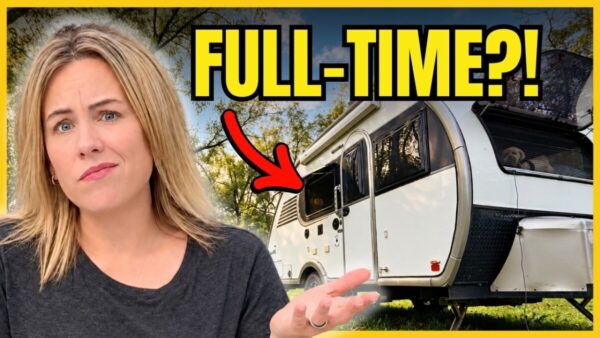
P.S. — Tom and I have actually started wondering something we never thought we’d wonder: have we outgrown our small camper? I shared the whole story in this video. See you over there!